Onboarding in 2026: the key to employee retention
In a job market in which personnel remain scarce, onboarding is more important than ever. After all, the first days and weeks determine whether someone feels welcome, dares to take responsibility and ultimately decides to stay. Yet it appears that many companies still see onboarding as a formality: a tour, a desk and a brief explanation. But onboarding is more than that - it is the foundation for sustainable employability and satisfied employees. In this blog you will read why onboarding will make such a big difference in 2026 and how to approach it smartly as an employer.
Why onboarding has so much impact
New staff receive a tremendous amount of new information in the first few weeks: colleagues, processes, systems, expectations and culture. Proper onboarding helps make this transition smooth. This not only reduces stress, but also increases productivity. Employees who feel welcome are also more loyal and stay longer. This is essential in a market where staff shortages are a major challenge.
Good preparation begins before the first day of work
Onboarding doesn't start when someone walks in the door, but before. Communicating clearly about working hours, work clothes, location and expectations gives new employees confidence. Especially for international employees, this is especially important. Our page live in the Netherlands provides information that will help new employees better prepare for their start in the Netherlands.
Clear explanation of processes and operations
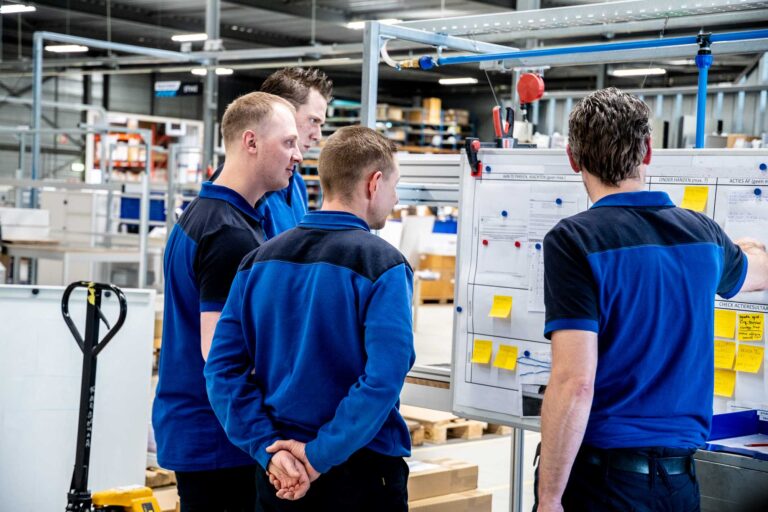
Employees function faster when they understand how processes are structured. Consider explaining logistics systems, safety rules or production operations. For positions with technical components, assigning extra familiarization days or buddies can help. Make sure employees not only know what them to do, but also why something happens in a certain way.
Culture and team spirit not forgotten
Functional onboarding is important, but cultural onboarding makes all the difference. How do colleagues interact with each other? What does the company expect from employees? What values are important? New colleagues who feel part of the team stay more often and perform better. Teams with many flex workers benefit from this.
Give employees space to ask questions
An open culture where questions are welcome lowers the barrier to seeking help. This prevents mistakes, frustration and lack of clarity. Especially new employees who still have to get used to Dutch work culture benefit from clear communication. More insight on this can be found on our page working in the Netherlands.
Follow-up completes onboarding
Good onboarding doesn't stop after the first week. Schedule check-ins in the first month, discuss expectations and see where someone needs additional support. Celebrating small successes also helps keep new employees motivated.
What employers can expect in 2026
Onboarding will increasingly be seen as a strategic tool in the coming year: it improves loyalty, lowers turnover and makes teams stronger. Employers who take good care of this will have a clear advantage in the labor market. A conscious approach to coaching and development is also in line with trends such as skills-based hiring and sustainable employability.
Want to strengthen your onboarding process?
On the apply-guide you'll find helpful tips on expectations, preparation and communication. This is how you create a work environment where new employees quickly feel at home.